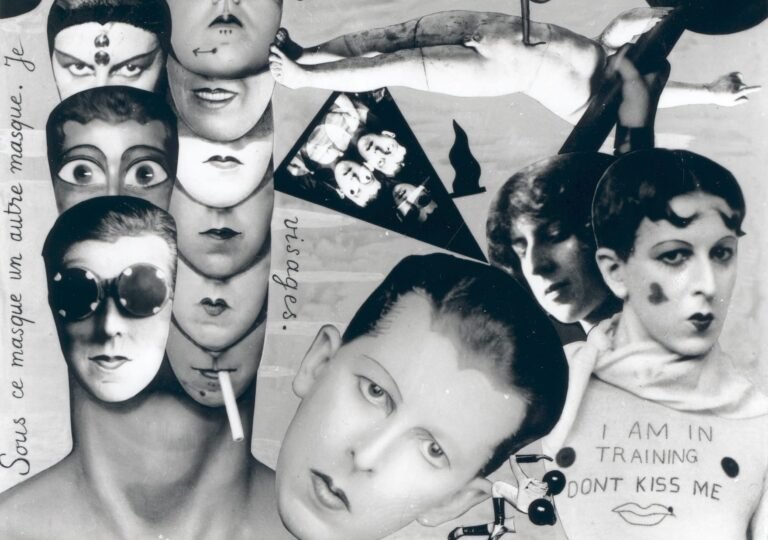
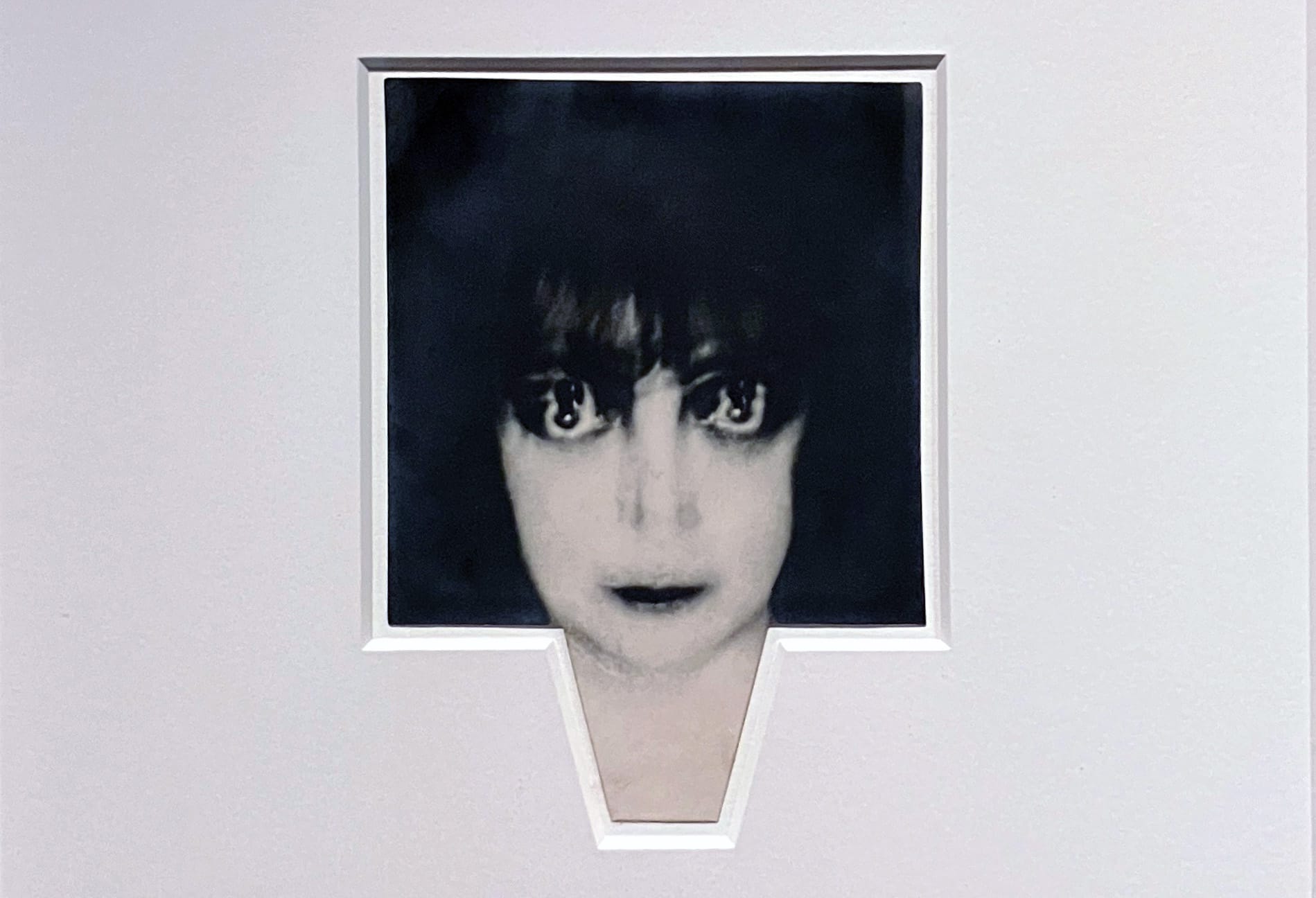
Walter Benjamin could’ve told us the problem with AI about a century ago. In 1931, before the technology could even be dreamed of, the German and Jewish philosopher and media theorist was becoming concerned with a different emerging medium: photography. With eerie prescience, Benjamin wrote that he feared that it could “endow any soup can with cosmic significance but cannot grasp a single one of the human connections in which it exists.” Photographs that aestheticize things while erasing their meaning are dangerous, he argued. Practitioners can bathe the chimneys of a steel factory in the same soft light as the trees of a forest, but unlike the paintbrush, the camera creates an undeniable impression of reality. Beyond that, not only can photography glaze everything into something beautiful, but people (myself included) will happily eat it up. We love to consume pretty images, sometimes especially when the subjects themselves are not: Even today, people will relish the awful sublimity of a factory’s smokestacks and fail to see the Nazi weapons forge staring back at them.
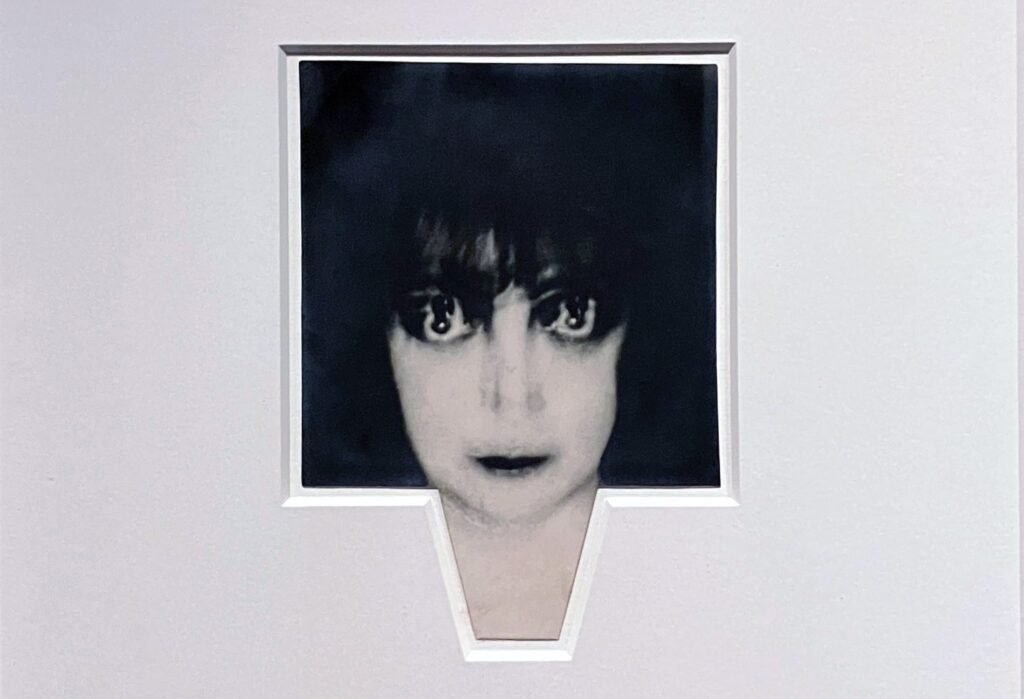
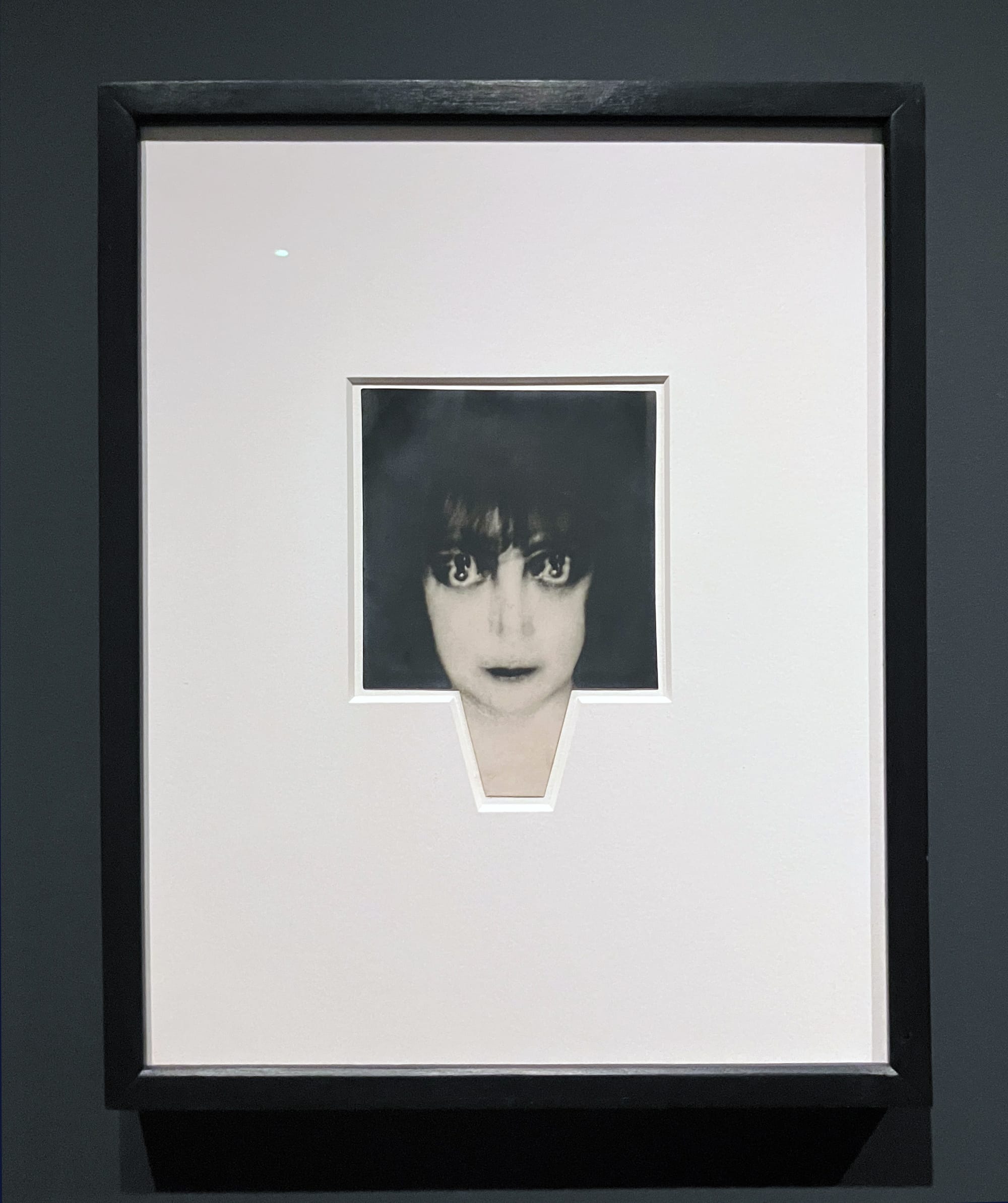
Benjamin’s essay on the topic, “A Little History of Photography” (1931), is the subject of a small but scrumptious presentation at the Jewish Museum that is timed to coincide with its monumental Paul Klee exhibition.